
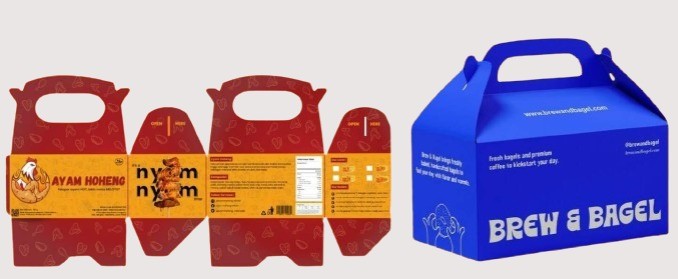
Product packaging in the United States plays a very critical role in consumer safety, regulatory compliance, and overall market trust. Packaging is so much more than just a simple container; it’s a controlled component of the greater regulatory system that protects foods, cosmetics, supplements, drugs, and medical devices. Because the different types of packaging play such a wide variety of roles under varying requirements by the FDA, it’s especially important to know just what those terms “FDA approved,” “FDA cleared,” and “FDA registered” really mean.
Incorrect use of these terms is becoming more common as the pace of e-commerce and global sourcing accelerates. Suppliers of packaging, particularly overseas manufacturers, frequently boast that their products are “FDA approved,” which is technically incorrect because the category cannot qualify for approval. Such misconceptions can lead to subsequent misbranding, customs delays, product recalls, or regulatory warnings.
What the FDA Actually Regulates in Packaging
Packaging is subject to regulation by the U.S. Food and Drug Administration when it comes into contact with a product that falls under FDA authority. This includes:
Food packaging and food contact substances
Cosmetic packaging – safety, prevention of contamination
Since dietary supplements constitute a category of food, the packaging of dietary supplements falls under the area of food regulations.
Drug and pharmaceutical packaging: container–closure systems
Sterility, biocompatibility, and barrier protection: packaging for medical devices
The FDA doesn’t control packaging like printed retail boxes, cardboard cartons, or marketing sleeves unless those come into direct contact with the product or affect the product’s safety.
Why Misunderstanding “FDA Approved” Causes Compliance Problems
One of the most misused terms in the packaging industry is “FDA-approved”. In fact, it only approves a few high-risk products, and not standard materials such as cardboard, kraft paper, or printed cartons. Making incorrect claims may be misleading under
FDA misbranding regulations
FTC truth-in-advertising guidelines
Abuse can also lead to import detentions, since U.S. Customs and Border Protection follows FDA regulations for any regulated commodities.
The wrong labeling on Amazon, eBay, and Shopify in e-commerce postings has resulted in thousands of listings being removed because of improper use of the term “FDA approved”.
FDA Approval versus Clearance versus Registration – Quick Summary Chart
| Term | What It Means | Applies To | Common Misuse |
| FDA Approved | FDA formally approves safety/effectiveness through a premarket approval (PMA) or specific regulatory pathway | High-risk medical devices, drug packaging systems, active ingredients | Suppliers claiming “FDA approved” cardboard boxes |
| FDA Cleared | FDA confirms a device is substantially equivalent to another legally marketed device (510(k) clearance) | Class II and some Class I medical devices, sterile barrier packaging | Calling food packaging “510(k) cleared” |
| FDA Registered | A facility is registered with FDA; FDA does not approve or certify it | Food facilities, medical device manufacturers, drug facilities | Saying “FDA registered packaging” as a product claim |
FDA Approved
This is the FDA’s highest level of review. A product is approved only when it demonstrates proven safety and effectiveness through a stringent scientific review. It is seldom applied to packaging materials except for those that fall into:
High-risk drug delivery systems
Class III medical devices
Specialized container-closure systems
FDA Cleared
It is important not to confuse clearance with the term ‘approval’. A product is cleared through demonstrating substantial equivalence to an already legally marketed device via the 510(k) premarket notification process.
These would include sterile barrier systems, medical pouches, and device trays.
FDA Registered
Registration with the FDA does not indicate the FDA has endorsed or approved an item. It simply indicates that the facility is registered, and its location and activities are known to the FDA. Registration is required for:
Food manufacturing or packaging establishments
Medical device makers
Manufacturing sites for drugs and supplements
When Each Applies
Approval applies to:
Certain drug packaging systems (container–closure)
Class III medical device packaging components
The packaging of medical devices includes sterile barrier systems.
Class II packaging that offers sterility, safety, or barrier features
Applicability of Registration:
Manufacturing plants that produce packaging materials for regulated products
Food contact packaging manufacturers
Standard printed boxes, kraft cartons, and branding materials would generally not be subject to FDA approval or clearance.
Common abuse by packaging suppliers
Common misleading claims include:
“FDA-approved cardboard boxes”
“FDA-approved Kraft packaging”
“FDA-approved printing ink”
“FDA-approved CBD Packaging”
These categories are not approved. They may only be included under FDA-compliant or food contact safe materials, either through actual testing data or FCNs.
FDA Approval versus Clearance
Of all the confused terms, FDA Approval versus FDA Clearance probably tops the list. Whereas the names sound relatively similar, they actually represent different regulatory pathways and apply to different product categories.
What “FDA Approved Packaging” Actually Means
FDA-approved packaging applies only when the packaging is part of an approved medical or drug system. Approval occurs through:
PMA: Premarket Approval
NDA/ANDA for drug packaging systems
Examples include:
Packaging for sterile implantable devices
Injectable drugs’ containers
Medical device packaging that requires PMA support
This level does not apply to general retail packaging.
Why Most Packaging Is Not FDA Approved
Most packaging used in consumer products does not require FDA approval because:
The products, specifically cardboard, kraft paper, and folding cartons, do not come into direct contact with regulated products.
Food and supplement packaging usually requires compliance, but not necessarily approval.
Cosmetic packaging needs to do little more than not contaminate or react with the product.
As such, most packaging is considered FDA-compliant, not approved.
FDA 510(k) Clearance: For which packaging categories does it apply
Packaging that serves a specific purpose relative to the safety or sterility of a medical device is often qualified for FDA clearance via the 510(k) program. Examples include:
Sterilization pouches
Medical device trays
Tyvek sterile barrier systems
Medical Packaging: heat-seal
Surgical tool blister packaging
The following must be demonstrated to clear a packaging system:
Integrity of barriers
Sterility maintenance
Biocompatibility
Material safety
Performance equivalence to a legally marketed device
Examples: Medical Device Packaging
Example 1: Sterilization Pouch System
A sterilization pouch for the maintenance of the sterility of surgical equipment should meet the following criteria:
ISO 11607 standards
Material performance testing
Sterility assurance testing
This kind of product will normally undergo the 510(k) process for clearance.
Example 2: Medical Device Tray
Thermoformed medical device trays that are intended for diagnostic equipment shall provide the following:
Structural durability
Chemical Safety
Barrier performance
If they are marketed with a medical device that requires controlled packaging, such trays would qualify for FDA clearance.
Example 3: Drug Container–Closure Packaging
Vials, bottles, blister packs, and caps for pharmaceutical drugs have to meet the following:
Container–closure system requirements
Stability and compatibility testing
Barrier performance to moisture and oxygen
When is packaging “FDA Registered”?
You often encounter the term “FDA registered” in packaging marketing from global suppliers targeting U.S. businesses. However, the FDA registration applies to facilities and not to the packaging materials per se. Understanding this distinction is important to accurate compliance, especially when selling regulated products within the United States.
FDA Registration Requirements
The U.S. Food and Drug Administration has specific registration and listing requirements for some manufacturing facilities. Registration helps the FDA to know where regulated products are manufactured, processed, stored, or repackaged. This does not certify or endorse packaging materials.
Facility registration is required for the following:
Food manufacturing facilities or food packaging facilities
Medical device manufacturers and re-packagers
Pharmaceutical and drug packaging plants
These registrations ensure traceability, inspection authority, and compliance monitoring, but in no way constitute FDA approval of the products produced by that facility.
Facility Registration vs. Product Approval
This is mainly due to many companies assuming that when a facility is registered, items manufactured there, for instance, boxes or bottles, are “FDA registered.” The FDA categorically explains that:
Registration ≠ Approval
Registration ≠ Clearance
Registration ≠ Certification
It only indicates where regulated manufacturing takes place. It does not guarantee the safety, performance, or regulatory classification of the packaging coming out of that facility.
This includes all categories of FDA-regulated products: foods, dietary supplements, cosmetics, medical devices, and pharmaceuticals.
Misleading Statements like “FDA Registered Packaging Material
Terms such as:
“FDA Registered Packaging”
FDA Registered Plastic Bottles
“FDA Registered Kraft Boxes”
FDA-registered CBD packaging
They are misleading and inaccurate.
Thus, packaging materials themselves cannot be registered. Only the facility producing them may need to be registered, depending on the product category.
Such claims are usually from overseas packaging suppliers trying to gain your confidence, but these may bring about regulatory problems, like:
Amazon/eCommerce listing removal due to misleading compliance claims
Delays in imports, in case customs detect false information
FDA warnings on audits and inspections
Correct terminology should focus on:
FDA-compliant materials
Food Contact Substance clearance
510(k) cleared medical device packaging
Facility is registered with the FDA
U.S. Packaging Categories & Their Specific FDA Requirements
Different categories of products come under different regulatory frameworks. FDA never uses a “one size fits all” model for packaging. Every category has a specific rule set governing it.
Food Packaging (Food Contact Substances – FCS)
Packaging of food comes under the FCS program of the FDA. Any packaging material that comes into direct contact with food must comply with the safety regulations prescribed by the FDA.
Key requirements include:
Use of substances with approved Food Contact Notification (FCN)
Compliance with Title 21 CFR food additive regulations
Examples of regulated food packaging include
Plastic containers
Liners and films
Coatings on paperboard
Food-grade pouches
Paperboard cartons or outer boxes not in contact with food generally are exempt from requirements for FCS.
Cosmetic Packaging Regulations
Cosmetic packaging must be safe and non-contaminating, but does not require FDA approval. Requirements include:
Packaging shall not adulterate the cosmetic
Materials should be stable and not reactive.
Container integrity to protect against contamination
Types of packaging:
Jars, bottles, pumps, tubes
Applicators and droppers
Product-contact surfaces
Outer cartons and printed boxes generally come under the category of general safety.
Complement and CBD Packaging Regulations
Dietary supplements are considered food, and therefore any packaging that comes into direct contact with a dietary supplement must comply with all FCS regulations.
Currently, the packaging of CBD follows:
If ingested, food packaging rules
Cosmetic packaging rules, if topical
Drug rules, if claims suggest medical benefits
Many of the warning letters to CBD sellers from the FDA include non-compliance with labeling and/or packaging issues.
Medical & Diagnostic Packaging Regulations
Sterility, prevention of contamination, and performance requirements are the major needs for the packaging of a medical device.
Packaging often requires:
Stability and durability validation
Sterile barrier performance
Biocompatibility testing
510(k) clearance if part of a medical device system
Examples of this category include sterilization pouches, surgical device trays, Tyvek barrier systems, and diagnostic kit packaging.
Rules about Pharmaceutical Packaging
Drug packaging should ensure:
Container–closure integrity
Chemical stability
Preventing leachable or extractable hazards
Examples include:
Blister packs
Vials and ampoules
Unit-dose packaging
These are packaging systems with strict testing requirements.
How to Verify Supplier Claims: A Step-by-Step Process
The verification of a compliance claim can keep a firm from making a regulatory mistake. Suppliers will overstate packaging compliance by using non-existent or misinterpreted FDA terms.
How to Verify FDA Registration
The FDA, for security reasons, does not publish a fully open database, but the following methods will confirm if a facility is genuinely registered:
Approach 1: Request FDA registration number + PDF confirmation letter
The following are always included in letters of registration:
Registration year
Activity type
Name of the facility
Approach 2: Verification through the FDA Food Registration Portal:
Approach 3: DUNS number request from the facility
The FDA uses DUNS to identify food and drug facilities.
The FDA does not issue certificates or approval letters for packaging products-only facilities.
How to Verify 510(k) Clearance
To verify 510(k) cleared medical packaging:
Use the FDA 510(k) searchable database:
Search by:
Manufacturer name
Product code
Device or packaging description
How to Check Food Contact Substance Notifications
All cleared substances are listed in the official Food Contact Substance Notification database:
To validate food-contact packaging:
Check if plastic, resin, polymer, or coating material is on the FCN list
Check the FCN number with the supplier
Limitations and Temperature Conditions Review
If the material is not listed, it may depend on:
Existing regulations for food additives under Title 21 CFR, or
“GRAS” status: Generally Recognized as Safe
Red Flags for False Claims of “FDA Approved Packaging”
Common warning signs include:
Claims of “FDA certified packaging”
For food-contact materials, no FCN number was provided.
No medical packaging 510(k) number
A “certificate” printed by the supplier instead of the FDA
Improper use of the FDA logo is strictly prohibited.
Claims like “FDA-approved paper boxes” cannot be possible.
Those beginning with arbitrary digits in the registration numbers are not genuine.
Suppliers refusing to provide FCN or 510(k) documentation
The consequences of false claims include:
Amazon/eCommerce listing deactivation
Customs detention
Misbranding penalties
Termination of contract with regulated brands
Real-World Brand Case Studies – U.S. Market
Real-world examples of compliance show how packaging drives regulatory outcomes in the U.S. market. Several brands across CBD, medical devices, and food packaging have felt both the penalties and benefits associated with their adherence to FDA standards.
A CBD Brand Fined for Improper Product Labeling
The enforcement underlined several issues, including:
Use of non-compliant packaging claims
Ingredient disclosure omissions
Unapproved drug claims on packaging
Absence of Nutrition Facts and required supplement labeling
This is a specific example of how FDA enforcement could be initiated without there being any product contamination or actual safety incident due to packaging errors.
A Medical Device Company Using Correct 510(k) Compliant Packaging
This is the way in which compliance supports safe commercialization, as those medical device manufacturers following appropriate 510(k)-cleared packaging pathways illustrate.
A U.S. diagnostic test company used sterile-barrier packaging that was listed within its 510(k) submission. Packaging validation studies covered:
Sterile integrity testing
Durability of materials
Biocompatibility
Transportation simulation
The outcome gave this company the avenue to legally market the diagnostic kit while ensuring packaging performance under realistic shipping and storage conditions. Proper packaging compliance contributed to a smooth review at the FDA and market acceptance.
A Food Brand Switching to FDA-Compliant Food Contact Materials
One day, a U.S. food brand found its packaging delayed because its imported plastic film did not appear in the FDA FCS database. Eventually, it migrated to a different supplier with material possessing a valid FCN number under the regulations of 21 CFR concerning food safety.
This shift provided:
USP Verified Compliance for Direct Food Contact
Fewer U.S. Customs issues with Imports
Stronger brand credibility
Using FDA-listed materials solved multiple operational problems, minimizing long-term regulatory risk.
Additional U.S. Regulations That Affect Packaging
The regulation of packaging in the United States extends way beyond FDA requirements. Many federal and state laws directly impact labeling, materials, sustainability claims, and importation.
FTC Truth-in-Advertising Rules
With that said, the Federal Trade Commission requires that all statements on packaging be truthful in nature, substantiated, and not misleading in any way. That would include the use of certain claims on packaging, such as “FDA approved”, “eco-friendly”, or “chemical-free”.
These apply both to physical packaging and to digital product listings.
State-Level Packaging Laws (California Prop 65, PFAS Bans)
Several states have stricter packaging regulations:
California Proposition 65 requires warnings for materials that contain chemicals known to the state of California to cause cancer or reproductive harm.
State PFAS bans: states like California, Maine, and Washington ban coatings or additives in packaging.
These state laws often extend federal requirements, and the implications of these laws dramatically impact how national brands make decisions around packaging.
Customs & Import Packaging Compliance
U.S. Customs inspects the packaging of regulated products being imported into the country. Any misleading regulatory claims, particularly case is false, “FDA approved packaging” labeling could mean detention of the shipment.
Customs also looks for:
Proper labeling
Material declarations
Sustainability Claims & Recyclability Rules
Sustainability claims on packaging must be per the FTC’s Green Guides, which define acceptable environmental language.
Frequently Asked Questions:
Q 1: Is food packaging subject to FDA approval?
The majority of packaging does not need FDA approval, but all materials that will come into direct contact with food must meet Food Contact Substance regulations.
Q 2: Can a packaging box be FDA-approved?
In general, no. Outer cartons, cardboard boxes, and printed packaging are not FDA-approved. Only certain types of materials-mostly food-contact or medical packaging-come under specific FDA programs.
Q 3: What is considered an FDA-compliant food contact material?
Only facilities can be registered. Verification requires either a facility registration document or checking the FDA requirements for the registration of the product category.
Q 4: Does FDA packaging approval apply to CBD?
Packaging for CBD does not require approval, but the labeling should be based on either food, supplement, or cosmetic regulations, based on the form of the product, and drug claims on the packaging are prohibited.
Conclusion
How to Choose the Right FDA-Compliant Packaging Supplier. Compliant packaging selection requires reviewing the materials to be used, supplier documentation, and whether it aligns with regulations. Under U.S. law, each category of product-food, cosmetic, supplement, CBD, medical device, or pharmaceutical its unique packaging expectations.
Checklist for U.S.-Compliant Packaging
Materials comply with FDA FCS or 21 CFR safety requirements.
No misrepresentations-for example, stating “packaging is FDA approved”
Correct FCN numbers or supporting documentation
Confirmed facility registration, if relevant
Accurate and non-deceptive labeling
Compliance at the state level: Prop 65, PFAS bans
Customs-ready documentation for imports
Having truthful environmental claims by using FTC Green Guides
Final Recommendations
Packaging selection that complies with the FDA and FTC, as well as states’ requirements, means safer products, smooth importation, and engendered consumer confidence. Documentation and validated supplier claims help a brand achieve compliance and long-term success in the marketplace of the United States.